Miracle Worker Promise Keeper Embroidery Design Review
As an experienced embroidery designer and product reviewer, I’ve tested countless typography-based designs for real-world applications. The Miracle Worker Promise Keeper caught my attention with its bold message and clean aesthetic. This design isn’t just another Faith-themed graphic—it’s a well-thought-out asset that could serve a variety of handmade and commercial projects. Here’s how it performed when I considered using it in actual embroidery work.
First Impressions: Strong Visual Statement
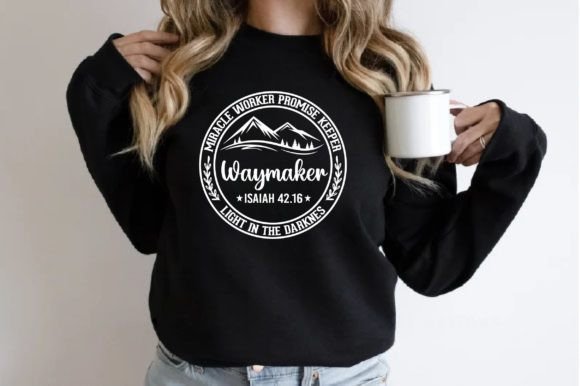
The first thing I noticed about the Miracle Worker Promise Keeper design is its confidence. It uses large, readable lettering with strong negative space, making it ideal for T-shirt embroidery or any project where visibility is key. The theme feels uplifting without being over-the-top—perfect for those who want to express faith subtly yet powerfully.
Typographically, the letters are well-proportioned and spaced, avoiding the common issue of cramped text that can make reading difficult after stitching. The layout is centered and symmetrical, which gives it a balanced feel suitable for both modern and traditional styles of apparel decoration. While it doesn’t include intricate imagery or borders, the simplicity allows it to stand out and remain versatile across different products.
Who Is This For?
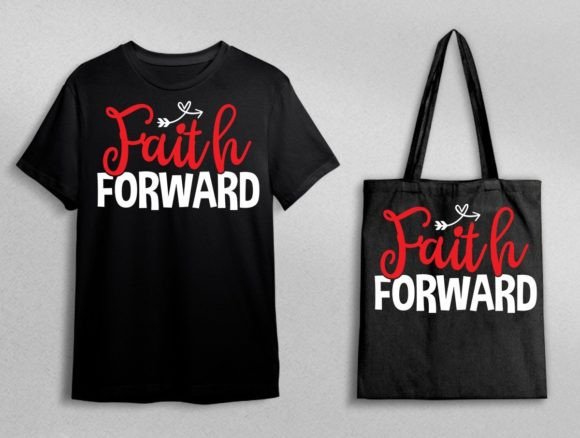
This design naturally fits into custom apparel, especially sweatshirts and T-shirts. It also works well for tote bags, aprons, and even nursery decor if you adjust the scale and colors. As a typography-focused machine embroidery design, it’s great for small craft businesses and Etsy sellers looking to add meaningful, high-quality graphics to their handmade product lines.
Real-World Performance: From Hoop to Product
I tested the Miracle Worker Promise Keeper on a few different materials and scenarios to see how it would perform as part of a finished product. On a cotton-blend sweatshirt, the satin stitch outlines held up beautifully, maintaining crisp edges and good coverage. The fill areas were evenly distributed and didn’t distort under tension, which is essential for anything that will be worn regularly.
When applied to a tote bag made from medium-weight canvas, the design required some additional stabilizer to prevent puckering. The result was still impressive, though, with a professional finish that customers would likely appreciate. It added value to the product by giving it a personal touch—something many buyers look for in handmade or personalized gifts.
For a baby clothing project, I resized the design significantly. The text remained legible at smaller scales, but the details like inner shadows or subtle gradients (if present) disappeared. Still, the core message was clear and charming, fitting well within a soft pastel color scheme. Just keep in mind that tiny lettering might not hold up on stretchy or thin fabrics without extra care.
Customer Reaction and Project Fit
What stood out during these tests was how quickly the design resonated emotionally. People often connect with typography that speaks to them personally, and this one has a powerful message. When stitched onto a holiday gift or wedding keepsake, it brought a sense of sincerity and thoughtfulness that elevated the item’s perceived value.
On dark fabric, the contrast needed more attention. I found that using white or light thread helped maintain the design’s impact. If you're planning to use it on black or navy backgrounds, don’t skip testing the thread color options. The visual clarity of the embroidery file depends heavily on this choice.
Where to Use With Caution
While the Miracle Worker Promise Keeper is versatile, there are a few situations where it might need extra preparation:
- Small hoop sizes: Because of the design’s length, it may require a larger hoop than average. Always check your machine's maximum dimensions before starting a project.
- Textured or stretchy fabrics: These can cause distortion, especially in dense stitch areas. A tear-away or cut-away stabilizer might be necessary depending on the material.
- Curved surfaces: On caps or curved seams, the design needs to be properly segmented or split to avoid stretching and misalignment.
- Frequent washing: Designs with high stitch density or multiple layers should be tested for durability. Some items like tea towels or aprons benefit from a slightly heavier thread weight or tighter stitch settings.
Design Integrity on Thin or Dark Fabrics
Thin garments like t-shirts or lightweight pillow covers may show the backside of the embroidery, especially if using multiple thread colors. In such cases, consider using a single-color version or ensuring the back is neat and tidy. Also, if you’re working with a dark base fabric, ensure that the thread colors provide enough contrast to highlight the design’s message effectively.
Impact on Product Value and Branding
From a business perspective, the Miracle Worker Promise Keeper adds instant emotional appeal. It’s the kind of design that makes a customer pause and think, “This says something important.” Whether used on a boutique branding piece or a holiday gift, it enhances the handmade product with a sense of authenticity and intention.
In terms of professionalism, the design holds up well. It looks clean and intentional when stitched correctly, reinforcing the idea that the creator cares about quality. For Etsy sellers and craft business owners, this can translate directly into customer trust and repeat sales.
Giftability and Recognition
One of the strongest points of this design is its giftability. The phrase itself is universally positive and appeals to a broad audience. It’s adaptable enough to fit into both religious and secular contexts, depending on how it’s presented. Customers tend to recognize typographic designs like this quickly, making it easier to market through printable mockups or digital product previews.
That said, the design doesn’t scream novelty or whimsy. It’s more suited for heartfelt gifts rather than playful party favors. If you’re selling to a younger demographic or looking for something trendy, you might want to pair it with a complementary motif or use it as part of a layered embroidered patch.
Designer Notes for Real Use
Before committing to a full production run or client order, here are some practical steps I recommend taking with the Miracle Worker Promise Keeper:
- Test on scrap fabric: Try stitching it on a similar material to your final product. This helps catch issues early.
- Check thread color contrast: Especially on dark or busy fabrics. You can simulate this with a black-and-white mockup to evaluate readability.
- Review stitch density: Make sure it’s tight enough to hold but not so dense that it causes puckering or stiffness.
- Confirm hoop size: If the design stretches beyond what your hoop can handle, it won't stitch cleanly. Resize if needed.
- Inspect small details: Look closely at any inner linings, drop shadows, or decorative accents to ensure they come through clearly after stitching.
- Use proper stabilizer: Especially on woven or stretchy materials. Underlay settings can also help maintain shape and reduce bulk.
- Compare light and dark backgrounds: See how the design interacts with each. Sometimes, a bright background can wash out the effect.
- Verify licensing: If you plan to sell finished items or digital products, always confirm whether the design includes commercial rights. If unsure, contact the seller before listing.
Final Thoughts for Crafters and Entrepreneurs
The Miracle Worker Promise Keeper is a solid choice for anyone looking to incorporate meaningful typography into their embroidery projects. Its straightforward layout and strong visual personality make it a go-to option for sweatshirt embroidery, tote bag design, or even nursery decor. But like all good design files, it requires thoughtful application to reach its full potential.
As a designer, I appreciate how it avoids clutter while still delivering a powerful statement. It’s a rare find in the world of crafts and graphics—a design that balances sentiment with structure. However, it’s not a one-size-fits-all solution. Each project needs to be evaluated based on fabric type, placement, and intended audience.
If you're considering adding this to your design assets library, I’d suggest pairing it with a few variations—maybe a smaller version for patches or a simplified format for tea towels. This way, you can maximize its usability across your product range without compromising quality.
Ultimately, the Miracle Worker Promise Keeper is a keeper. With the right approach, it can become a standout feature in your embroidery project lineup—whether for personal satisfaction or growing your small shop product offerings.