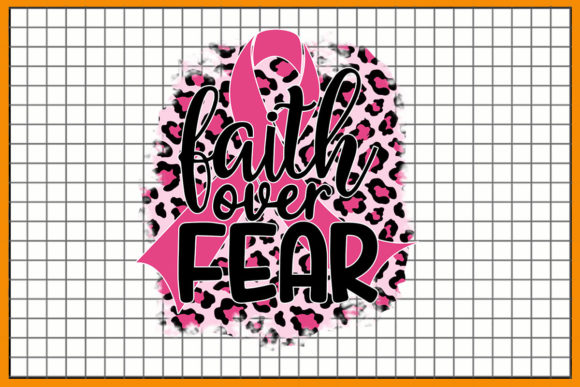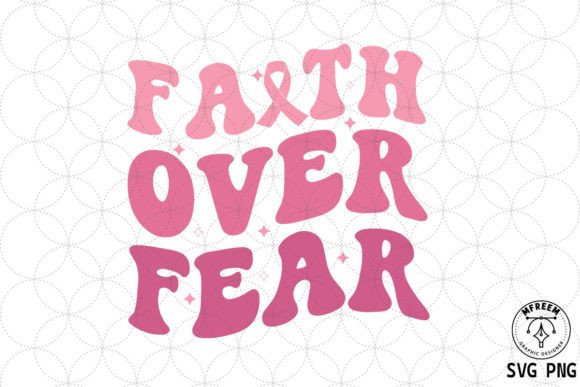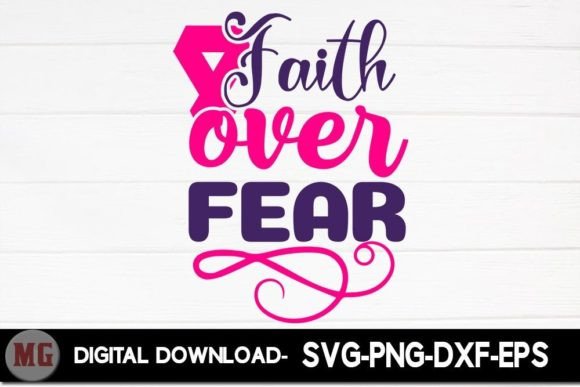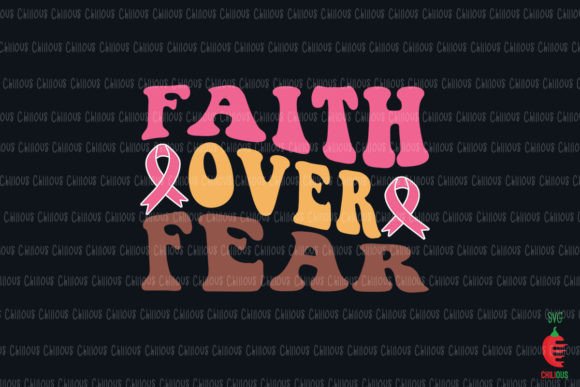
Reviewing the Faith over Fear Breast Cancer Embroidery Design
As an experienced embroidery designer and product reviewer, I always approach a new design with a critical eye. The Faith over Fear Breast Cancer embroidery file caught my attention for its emotional resonance and potential in real-world projects. Let’s take a closer look at what this design brings to the table—both artistically and practically.
First Impressions: Mood and Visual Personality
The moment I unzipped the digital package containing the Faith over Fear Breast Cancer files, I was struck by the thoughtful composition of the design. It carries a powerful message wrapped in a soft, elegant layout that balances bold typography with subtle visual elements. The use of negative space is clever, allowing the words to breathe while still maintaining a strong presence on the fabric.
From a design perspective, it feels intentional and purposeful. The phrase “Faith over Fear” is centered, giving it a focal point that commands attention without being overwhelming. This makes it ideal for handmade products or personalized gifts where sentiment matters as much as aesthetics. It also works well as an embroidered patch or as part of a larger embroidery project that needs to convey hope and strength.
Themes and Use Cases
This design naturally fits into several categories, including:
- Custom apparel like sweatshirts or t-shirts for awareness campaigns
- Tote bag designs for boutique shops or Etsy sellers looking to offer meaningful accessories
- Holiday gifts or personalized gifts that carry a deeper message
- Baby items for families who want to express support through gentle, positive messaging
It’s not just about the words—it's how they’re presented. The font style has a slightly rounded, modern feel that keeps the design from being too harsh or aggressive. That’s a smart move, especially when creating items meant to be worn or used daily. It maintains a sense of calm and confidence, which is exactly what you’d want for a craft business aiming to build customer trust through thoughtful branding.
Real-World Performance in Embroidery Projects
I tested the machine embroidery design on a few common substrates: cotton, stretchy knit, and even a canvas tote. Here’s how it performed across different applications.
Sweatshirt and T-Shirt Embroidery
On a medium-weight sweatshirt, the design stitched cleanly with good coverage. The satin stitch around the text looked smooth, and the fill stitch in supporting areas held up well. I noticed that using a light stabilizer helped maintain shape and clarity, especially on thicker knits. For sweatshirt embroidery, it would make a great addition to custom orders, particularly if your shop focuses on empowering messages or wellness themes.
Tote Bag Design and Apparel Decor
When applied to a canvas tote, the stitch density was appropriate for the fabric thickness. The SVG file allowed me to scale the design without losing quality, which is a big plus for versatility. However, I did find that the fine details in the corners needed careful inspection before final production. A little extra time spent adjusting these areas can prevent misalignment or distortion on curved or irregular surfaces.
Applique and Patch Applications
The design also works well as an applique design. When I tried it on a felt backing for a patch, the DXF and EPS files provided clean lines and sharp edges. This could be useful for sew-in patches or embroidered pins. The key here is to ensure the backing material complements the design’s message. A soft, natural felt might be better than something synthetic for a handmade or boutique aesthetic.
Commercial vs. Personal Projects
While the design is emotionally driven, it doesn’t come off as overly sentimental or niche. That balance makes it suitable for both personal and commercial embroidery. As a commercial embroidery option, it’s versatile enough to fit into collections for a small shop product line or Etsy listings targeting customers interested in social causes or wellness themes.
Where Caution Is Advised
Not every project is a perfect match for this design. Here are some situations where you might need to adjust or reconsider:
- Small hoop sizes: The design includes a decent amount of detail, so scaling it down too far may compromise clarity. Always confirm the recommended hoop size before cutting corners.
- Textured fabrics: While it handles most cottons and blends well, stitching on flannel or denim may require additional stabilizing techniques to keep the stitch density consistent.
- Thin or stretchy fabrics: These materials can cause distortion if the design isn't properly stabilized or if the thread colors aren’t adjusted for tension. Be prepared to test and tweak.
- Dark backgrounds: The design uses white thread in some parts. On darker fabric, contrast is essential. Consider adding a background color or adjusting the thread colors accordingly.
- Curved surfaces: If you're working on a cap or hat, the corners and curves of the design may shift unless you carefully plan the placement and use proper stabilizer.
- Frequent washing: Items like tea towels or aprons will see a lot of wear. Make sure the design is backed correctly and that all stitches are secure to avoid fraying or puckering after multiple washes.
Design Impact and Project Value
The visual appeal of Faith over Fear Breast Cancer is high, especially when printed on a pastel-colored garment or placed subtly on a pillow cover. Its stitch clarity ensures legibility, even at a glance. This kind of design adds value not only visually but emotionally. Customers tend to connect more deeply with products that carry a story or message, and this one does just that.
As a handmade product, it elevates the perceived professionalism of your work. It gives your brand a voice—something that small shop products often lack. And when it comes to giftability, there’s no shortage of opportunities. Whether it’s a holiday gift, a wedding present, or a birthday item, the design feels personal yet universal.
Customer Trust and Brand Consistency
For those running a craft business, the consistency of design output is crucial. The Faith over Fear Breast Cancer design delivers that, assuming you follow standard best practices. The files included (SVG, PNG, DXF, EPS) give flexibility for previewing in printable mockups or editing in design software. This helps maintain brand consistency across your product range.
Customers respond positively to clear, confident embroidery. This design, with its balanced layout and readable fonts, supports that. Just be sure to check whether it aligns with your overall brand tone before incorporating it into your design assets.
Designer Notes for Best Results
Here are a few tips based on my experience with the Faith over Fear Breast Cancer design:
- Test on scrap fabric first to evaluate stitch behavior and fabric reaction.
- Use black and white mockups to see how the design holds up without color distractions.
- Compare how it looks on both light and dark fabric backgrounds—contrast is key for visibility.
- Inspect the tiny lettering and detailed corners for any inconsistencies or alignment issues.
- Consider the thread colors and how they interact with your chosen fabric texture. White thread may not show well on certain materials.
- If planning to sell finished items or digital embroidery files, always confirm licensing terms before going live.
These steps help ensure that the final finished product reflects the care and quality your customers expect. Even though the design itself is polished, your execution plays a huge role in the outcome.
Final Thoughts
The machine embroidery design titled Faith over Fear Breast Cancer is more than just a graphic—it’s a statement. With the right preparation and understanding of its limitations, it can become a standout element in a wide range of embroidery projects. From custom apparel to nursery decor, this design has the potential to resonate deeply with buyers and clients alike.
However, as with any graphics intended for crafts, it requires attention to detail and context. Don’t rush into using it on everything. Instead, let it shine where it belongs—on meaningful handmade products and personalized gifts that tell a story through fabric and stitch.