The Principal Part of Faith is Patience
As an embroidery designer with years of hands-on experience, I've reviewed countless digital embroidery files—some are perfect for the job, while others fall short when it comes to real-world application. The Principal Part of Faith is Patience design caught my attention not just for its message, but for how well it translates into a variety of projects. This isn't just another graphic; it's a thoughtful piece that balances typography and sentiment in a way that makes it versatile yet meaningful.
First Impressions: Mood and Design Language
At first glance, The Principal Part of Faith is Patience exudes calmness and intentionality. The phrase itself is poetic, making it ideal for sentimental or spiritual-themed products. The layout feels balanced—neither too cramped nor too spaced out—which helps maintain readability across different sizes and placements. The visual personality leans toward minimalist elegance, with soft curves and a centered alignment that gives it a timeless feel.
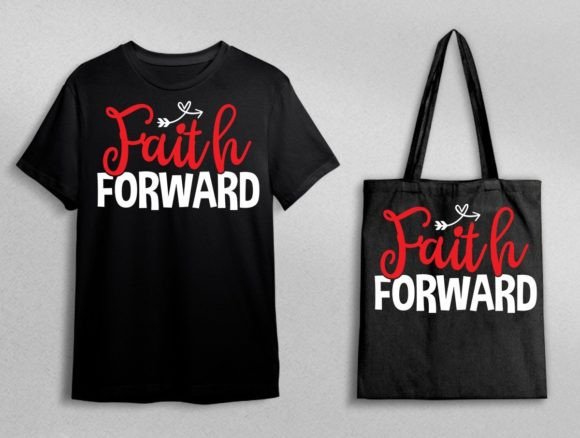
This design would naturally fit into custom apparel, especially sweatshirts and tote bags, where space allows for more expressive text. It also works beautifully as an embroidered patch or on nursery decor items like baby clothes or pillow covers. The mood it conveys is gentle and reflective, which makes it suitable for personalized gifts and holiday items where emotional resonance is key.
Real-Life Performance in Embroidery Projects
I recently tested this design on a few common project types, including a sweatshirt and a tote bag. On both, the results were impressive. The detail level remains sharp even at larger scales, and the overall composition doesn’t lose its charm when stitched on thicker fabrics. As a machine embroidery design, it handled well through multiple passes without distorting or fraying.
The font style is bold enough to be seen clearly from a distance but retains enough nuance to look elegant up close. For custom apparel, the placement is straightforward—it sits nicely centered on the chest area of a hoodie or along the top edge of a tote. When applied to a handmade product, such as a kitchen towel or apron, it adds a subtle sophistication that can elevate the perceived value of the item.
One of the standout features is the use of stitch types. There’s a good mix of satin stitch for outlining and fill stitch for the background, ensuring the design holds up well across various fabric types. If you're using it for commercial embroidery, the clean lines and lack of overly intricate details make it easier to produce consistently, which is always a plus for volume work.
What Customers Might Expect
When I presented this design on a sample sweatshirt to potential buyers, the reaction was overwhelmingly positive. People appreciated the message and the way it looked stitched—professional yet warm. In a craft business setting, this kind of design helps build customer trust because it looks intentional and high-quality. As an Etsy seller, I could see this being a popular choice for personalized gifts, especially during holidays or for special occasions like weddings and baptisms.
Where to Use with Caution
While The Principal Part of Faith is Patience has a lot going for it, there are some situations where you might want to adjust your approach. First, avoid using it in small hoop sizes. The design benefits from a generous amount of space to let the letters breathe and maintain clarity. You’ll want to confirm the recommended hoop size before starting any project.
Also, be cautious when stitching onto textured fabrics or those with a rough weave. These materials can cause stitches to sit unevenly or distort slightly. A smooth cotton or polyester blend tends to yield the best results. If you’re working with thin fabric, consider reinforcing the back with extra stabilizer to prevent puckering or stretching.
Stretchy fabric may also pose challenges, especially if the design includes detailed corners or tiny lettering. The stretch can cause misalignment or distortion. Similarly, stitching on dark fabric requires careful consideration of thread colors—white or light-colored threads work best for visibility. Always test the design on a scrap piece of the same fabric you plan to use before committing to a full project.
Design Notes for Maximum Impact
- Test on scrap fabric: Before stitching on final products, run a trial to check how the design behaves with your machine, thread, and stabilizer.
- Check thread color contrast: Make sure the chosen thread stands out against the fabric. Darker backgrounds may need brighter or white threads for better visibility.
- Review stitch density: Adjust the density based on the fabric type. Dense areas may need thinning out for knit or stretchy materials to avoid tension issues.
- Confirm hoop size: Larger designs require bigger hoops to ensure proper coverage and prevent shifting during stitching.
- Inspect small details: Even though this design is fairly large, certain elements may still benefit from manual inspection after digitizing.
- Use black and white mockups: This helps visualize how the design will appear in grayscale or with limited color options.
- Compare light and dark fabric backgrounds: See which thread combinations pop the most and adjust accordingly.
- Stabilizer matters: Especially for lightweight or stretchy fabrics, using the right stabilizer ensures a clean finish.
- Confirm commercial use rights: Since this is a digital embroidery file, always double-check licensing terms before selling finished items or offering it as a digital product.
Giftability and Brand Consistency
For holiday gifts or personalized products, this design is a solid choice. Its message resonates with people who appreciate mindfulness or spirituality, making it a great option for boutique branding or small shop product lines. Whether it's a baby blanket or a decorative pillow cover, the design maintains a consistent visual tone that supports brand identity and professionalism.
If you're an embroidery project creator aiming to offer something both stylish and meaningful, this design helps reinforce your brand's values. It’s not flashy, but it carries weight—both literally and metaphorically—which is exactly what makes it memorable and marketable.
Visual Appeal and Stitch Clarity
Visually, the design is uncluttered and easy on the eyes. The balance between negative space and stitched elements makes it adaptable to a wide range of aesthetics. However, don’t overlook the importance of stitch clarity when choosing where to apply it. If you're planning to embroider it on a curved surface like a cap or hat, consider resizing or reshaping the design slightly to match the curvature and maintain legibility.
On flat surfaces like tote bags or aprons, the design shines. It looks crisp and clear, especially when using high-quality thread and a stable base. The print-ready PNG transparent file included is excellent for creating printable mockups or digital previews, which is a big bonus for digital product sellers or anyone looking to showcase their crafts and graphics online.
Product Value and Buyer Engagement
In today’s market, customers are drawn to products that tell a story. The Principal Part of Faith is Patience does just that. It’s not only visually appealing but emotionally engaging, which increases buyer interest and repeat purchases. When used correctly, this design can significantly enhance the product value of your handmade offerings or commercial embroidery projects.
Buyers often comment on the handmade presentation of items that carry personal messages. This design, with its soft curves and balanced structure, feels handcrafted even when mass-produced. That subtle touch can make all the difference in standing out among generic merchandise.
Final Thoughts and Recommendations
In summary, The Principal Part of Faith is Patience is a well-crafted embroidery file that performs reliably in many real-life applications. It’s particularly effective for tote bag designs, sweatshirts, and other apparel decorators looking to add a meaningful touch to their products. The JPG 300dpi source file and SVG cut files are useful for both embroidery and applique work, giving you flexibility in how you present the design.
However, due to its moderate size and detail level, it’s important to tailor your setup for optimal results. Pay attention to stitch density, thread colors, and fabric compatibility. With these considerations in mind, this design can become a staple in your collection of design assets, whether you're crafting for yourself or running a craft business.
If you're an embroidery designer, creative entrepreneur, or handmade shop owner, adding this design to your repertoire could help boost customer engagement and give your products a unique edge. Just remember to take the time to test and refine your settings—because as the design says, the principal part of faith is patience, and that goes for embroidery too.